economy
March 2, 2026
How Tech Hype Turns Into Dependence
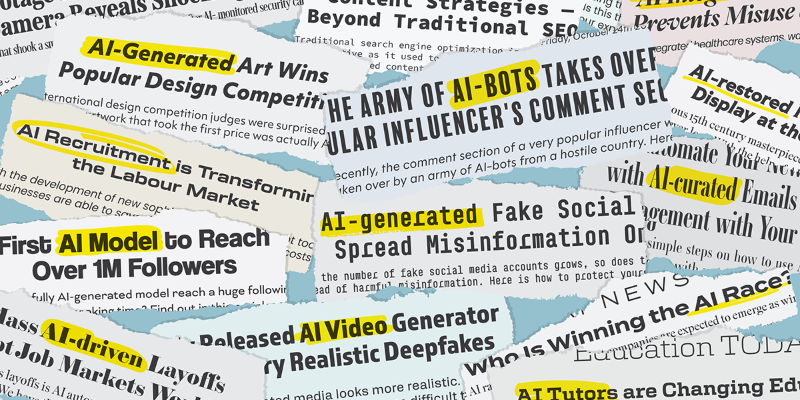
Every now and then, a new technology takes over the headlines. It’s going to change everything and rewrite how we live and work. Then, almost as predictably, the excitement fades as limitations show up. Eventually, the technology settles into a more realistic, useful role.
That boom-bust-stabilize pattern is known as the Gartner Hype Cycle, which maps how innovations rise to a “Peak of Inflated Expectations,” fall into a “Trough of Disillusionment” and slowly climb toward practical productivity. Most people see it as a warning about human psychology. For the companies building these technologies, it’s a strategy.
The peak isn’t just irrational exuberance. It’s the cheapest moment in a technology’s life cycle to buy mindshare, workflows and habits. Buyers overestimate future value. Decision-makers fear being left behind, so return-on-investment standards loosen. That creates a rare window: Providers can deliberately overdeliver and undercharge, not to maximize short-term margins, but to maximize embedment. The goal isn’t revenue per customer but dependency per customer. This is when technology is made “too good to be true” on purpose. Pricing sits below long-run equilibrium. Providers push customers from pilots to production, from experimentation to daily use. Staff get trained. Processes are rewritten. Resumes list the tool as a skill.
By the time the trough of disillusionment arrives—when we realize the technology won’t transform everything overnight—excitement may collapse, but usage doesn’t as removal becomes painful. That’s when pricing power flips: free tiers shrink, usage-based pricing appears and the pitch shifts from “look what’s possible” to “you can’t afford downtime.” Customers grumble but rarely churn because the tool is now infrastructure.
We’ve seen this in cloud computing, software-as-a-service collaboration tools and developer platforms. Artificial intelligence (AI) is following the same script—only faster and broader than any digital wave before it. Generative models launch with astonishing capability at flat prices, ignoring real computing costs. Providers encourage experimentation and position AI as a “copilot” embedded in writing, coding, research and operations. Hiring, timelines and output expectations are quietly rewiring around it.
Even as disappointing headlines grow louder, teams aren’t ripping AI out once they move from experiment to full integration. AI providers are using the hype peak to colonize workflows, knowing that once AI becomes a default layer, disappointment won’t matter—only dependence will.
Enterprises Moving AI Experiments into Production This Year
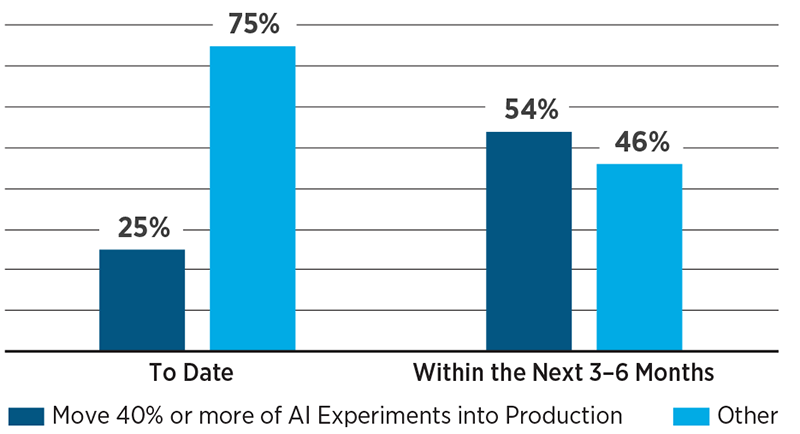
SOURCE: 2026 State of AI in the Enterprise, Deloitte.