Co-op News
April 7, 2026
La Plata Focuses on Innovative, Energy-Independent Future
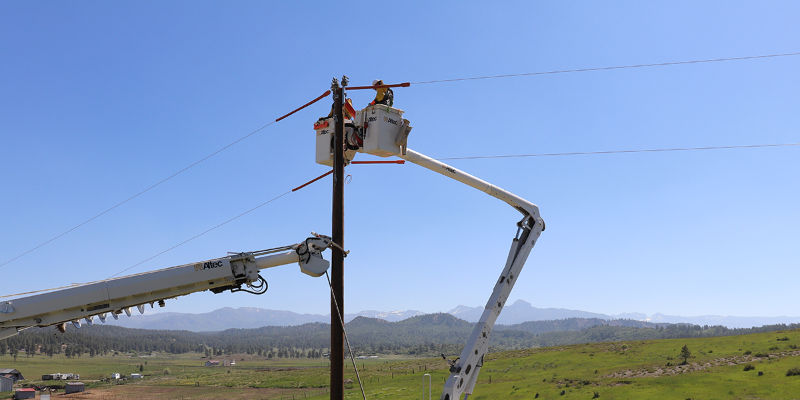
From forested mountains and ski resorts to high deserts, La Plata Electric Association (La Plata) serves one of the most geographically diverse territories in the West. That diversity shapes how the cooperative plans, invests and prepares its system for the future.
Serving approximately 50,000 meters across southwestern Colorado, La Plata’s territory spans rugged terrain, river valleys and desert landscapes, while also including service to the Southern Ute Indian Tribe.
According to CEO Chris Hansen, those characteristics, along with the cooperative’s close ties to the communities it serves, demand an electric system that is adaptable and closely aligned with local needs.
“It really is a special place,” Hansen said. “You get the mountains and beautiful river valleys all the way to high desert vistas. It’s a pretty unique spot.”

Proactive Energy Strategy
To serve its panoramic territory, the cooperative has taken a proactive approach to strengthening infrastructure while advancing a broader strategy focused on local energy supply and independence.
With steady growth and ongoing economic activity in its service area, La Plata is planning carefully for future demand. Hansen said recent strategic moves have given the cooperative greater flexibility to adapt to market conditions and evolving member needs.
As part of those changes, the cooperative completed a buyout from Tri‑State Generation and Transmission Association, effective April 1, and simultaneously joined the Southwest Power Pool regional transmission organization. Hansen said that both moves required careful planning and close coordination.
“We have measured maybe a hundred times together and really figured this out in a methodical way,” he said. “It’s made this exit very seamless for us.”
La Plata is a 100% borrower with CFC, a relationship Hansen describes as central to the cooperative’s long‑term financial strategy. Access to flexible, long‑term financing has supported recent changes, infrastructure upgrades, grid resilience investments and strategic initiatives that help position the cooperative for changing demand.
“It’s been a really productive and efficient way for us to meet our financial needs,” Hansen said. “CFC has been there every step of the way.”
The partnership has been especially important during this period of transition for La Plata, according to Hansen.
Beyond the recent milestone, CFC continues to support La Plata’s ongoing capital needs, from system upgrades to new projects designed to strengthen reliability and affordability.
Local Alliance
Another collaboration is also a key part of La Plata’s local‑first approach. The cooperative has a long‑standing relationship with the nearby Southern Ute Tribe, working together on projects that support mutual goals and long‑term benefits.
“We’re doing a lot of joint projects together, transmission, generation and other infrastructure,” Hansen said. “The joint capacity we develop helps both the tribe and the La Plata membership.”
Hansen emphasized the importance of respecting tribal sovereignty and cultural values, noting that cooperation across tribal lands is essential to advancing shared energy priorities.
“That’s super important to us, leaning into their sovereignty, their cultural values and the way they steward the land,” he said.
Planning for the Future
Looking ahead, Hansen sees energy independence as key to innovation and long‑term value for members. La Plata is focused on building new capabilities that allow it to manage risk while identifying opportunities to create value inside a larger, more dynamic energy landscape.
The cooperative is working to move faster on programs that directly benefit members, viewing beneficial electrification as a major opportunity. Programs supporting heat pumps, rooftop solar and battery storage can help members reduce costs while adding flexibility to the grid.
Beyond individual programs, La Plata is redefining the traditional role of an electric cooperative—expanding beyond power supply to function as a broader energy service partner for its members.
“We’ll continue to be reliable and affordable, while expanding how we serve our members,” Hansen said. “There are lots of ways to create a flexible, transparent, responsive system and build on our history while entering a new chapter.”